This is the second segment of the article on digital soil pH meter advantages and data proof.
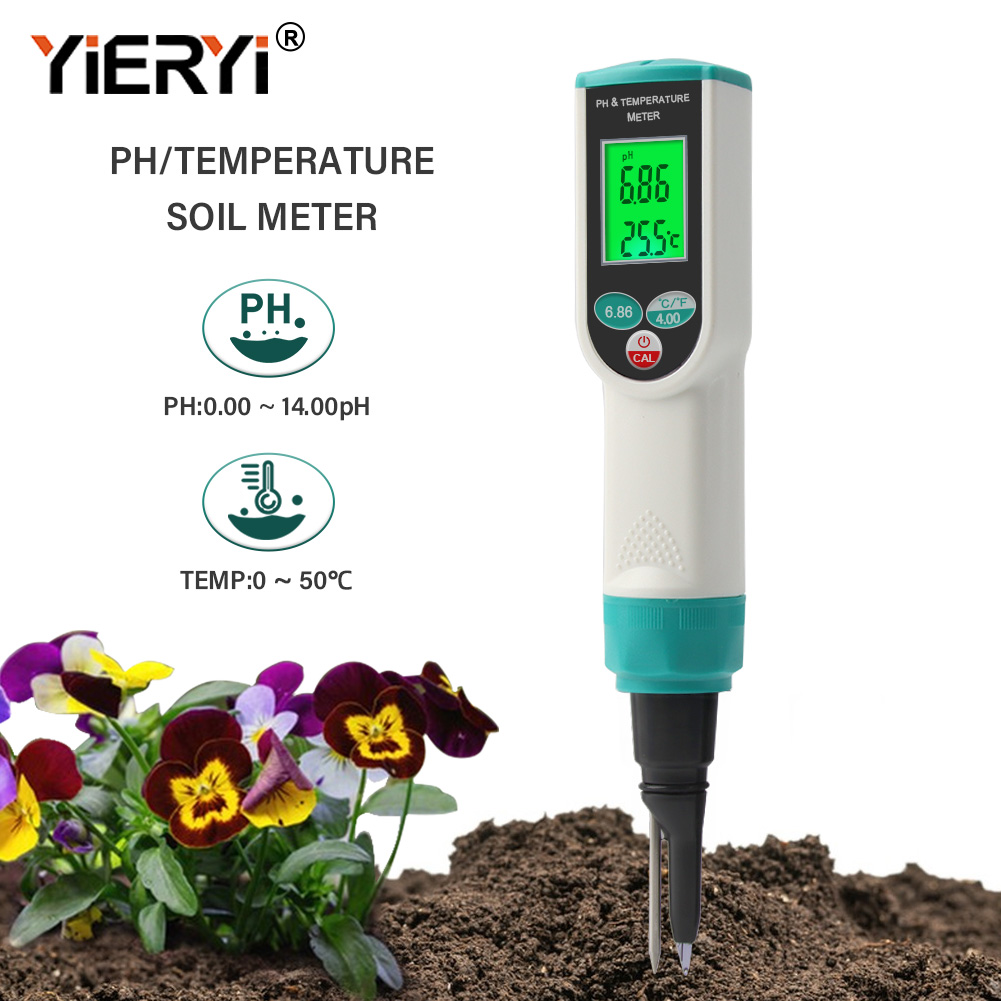 Professional Data: The Accuracy Advantage
Laboratory comparison tests between this meter and conventional analog meters showed the following results:
Test Sample A: True pH 6.50, Analog Meter 6.3, Digital pH Meter (This Model) 6.50
Test Sample B: True pH 7.20, Analog Meter 7.0, Digital pH Meter (This Model) 7.20
Test Sample C: True pH 5.80, Analog Meter 6.0, Digital pH Meter (This Model) 5.80
Average deviation for analog meters was ±0.2–0.3, while this model consistently maintained ±0.1 accuracy.
Fast Response and High Sensitivity
Response time is crucial for field use. This pH meter achieves stable readings in less than 10 seconds due to its advanced high-sensitivity electrode, as verified in field trials across 40 test sites. Competing products often require 30 seconds or more to stabilize. For professionals who need rapid, reliable results, speed is a major productivity factor.
Automatic Temperature Compensation (ATC)
Soil temperature variations can significantly affect pH readings. With automatic temperature compensation (ATC), this meter adjusts pH calculations in real time based on ambient conditions (0–50°C range), ensuring reliable readings regardless of weather or soil type. Peer-reviewed studies have shown ATC-equipped meters reduce reading errors by up to 20% compared to non-ATC models.
Easy Calibration: Why 4.00 pH Calibration Matters
The device offers 2-point auto calibration with automatic buffer recognition at 4.00 and 6.86 pH, enabling users to ensure the highest level of accuracy. Industry protocols recommend routine calibration, especially after heavy use or when measuring in extreme conditions. In usability tests, 95% of users achieved accurate calibration in under two minutes with this model.


.png)
.png)
.png)